
Yesterday, we moved the table in the kitchen.
Kitchens are important rooms. While the whole house provides shelter, the kitchen provides food. It’s a space which is absolutely core to the idea of ‘home’ and our essential needs. It matters that we feel comfortable there.
If you’ve ever reworked your own kitchen, you’ll perhaps share my feeling that a refit feels like choosing an entire lifestyle. The one time we did this, I felt assaulted by the level of expectation. The marketing told me a kitchen ought to have pristine surfaces, centre islands, sophisticated coffee-making facilities, carefree sociability. The kind of place where one tosses back one’s mane of glossy hair, laughing gaily while holding a huge shiny, smudge-free glass which is just a quarter full of golden wine. Frankly, they were kitchens where I’d need to be redesigned as well.
I like our kitchen here. It’s a mix of fitted cupboards and a few free-standing bits. It’s pretty ‘entry level’, by which I mean the units already in place look like they came from Homebase and we’ve added a couple of IKEA ones. They don’t match, but nor do they clash. From time to time, my partner talks about redesigning it but I am reluctant to do so. I quite like it as it is; it feels unpretentious and it strikes me as being perfectly adequate.
Adequate. The word is a bit like ‘Satisfactory’ when it’s used as an Ofsted grading: we are conditioned to reject the inherent meaning and add disparaging overtones. Adequate fails, pathetically, when set up against society’s incessant striving for more and better. The word just is drawn irresistibly into our consciousness as a qualifier and starts to tip us downwards. Yet adequate is enough. It means equal to what is needed. Adequate feels like a pretty amazing achievement, frankly.
But perfect? Ah – flawless, ideal, complete, finished. Ok, then perhaps my kitchen isn’t perfectly adequate. Adequate it is. But far from perfect. Hence moving the table.
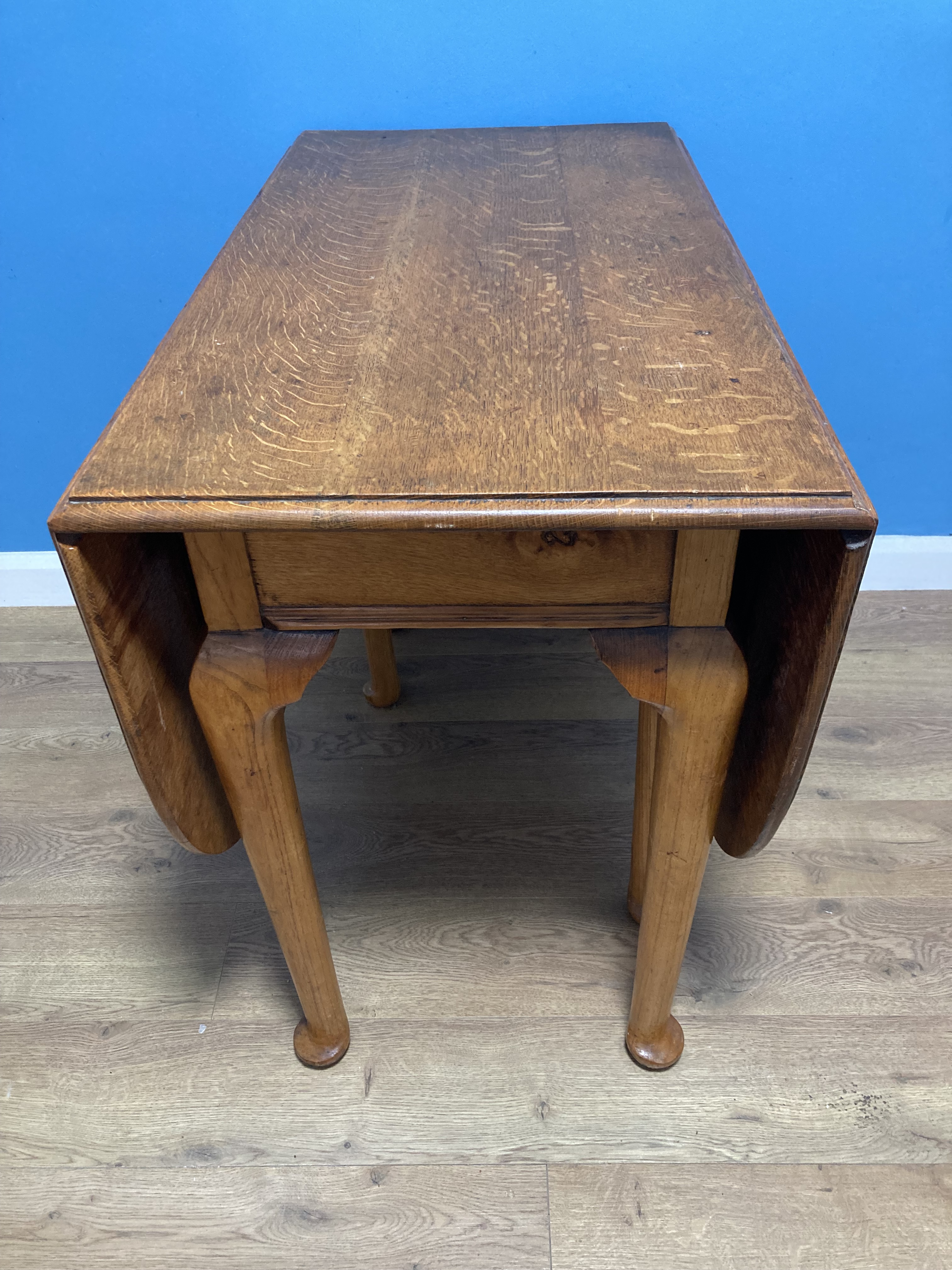
It’s a solid oak table, it’s lived long and shows its wear and tear. It was originally covered in a dark glossy polish and I can vaguely remember my dad, over 50 years ago, stripping it back to the natural shade. Traces of darker stain can still be found around the joints. It was, I’m sure, inherited from one or other Great-Aunt: what we lacked in grandparents, we made up for in great-aunts. Was it, on this occasion, Auntie Pat? From my mum’s side? That feels plausible.
When I was little, we ate in the kitchen, but at some point this changed, maybe because we acquired this table. It lived in the room adjoining the kitchen and became the every-day dining table. I suppose that makes the space our ‘dining room’ but somehow the rooms in our house didn’t have names like that. We had a ‘front room’ and a ‘back room’ and a kitchen, and a hall. The hall was a room in itself but lack of natural light left it bleak and empty; there was also ‘no-man’s land’ – a sort of lobby between the hall and the kitchen which combined coat hooks and larder cupboard and tool store. The whole of the downstairs was restless, too many doorways and thoroughfares, so you always felt you should be moving elsewhere and stopping in one place required an act of will. The front room was the only space providing respite and somewhere to settle. The front room was where we had the record player, the open fireplace, the piano, the big mahogany dining table, used at Christmas and on which, for years, I did my homework.
The oak table took its place in the back room and the room’s function shifted in response. It was where my parents ate together after my brother and I had left home. It’s where I sat with mum and dad when I returned as a student, in university vacations. Then it was the table that my children sat at, wriggling and squirming. It was the table I sat at with my brother and our partners, the night before my dad’s funeral, drinking his wine and remembering his shaggy dog story jokes.
When mum came to live with us, the table came with her. For a short time it became our dining table and then it became the ‘office’ area. Where we put the computer and later cleared space for a laptop, for laptops. It was where I sat with my son as we did practice answers for his English GCSE revision.
When we moved away from Hampshire, this was the table which would fit in the small flat in Limehouse. So it moved with us. Both leaves open, it could host a Christmas dinner, although we needed to move all the rest of the furniture back to achieve this. During lockdown in 2020 it became the new HQ for the company I worked for, as we installed the server underneath its legs, and I remained as one of the few employees who weren’t on furlough.
Then we moved here and arrived with ambitions to redesign the kitchen. The nearly-bare right-hand wall invited the addition of new cabinets, a breakfast bar, there were lots of possibilities. But in the short term, the oak table would fit. A good size for two, a comforting space for one, a surprisingly adaptable and friendly place to have three, even four, just sitting around in the kitchen.
In terms of aesthetics, I’ve never particularly liked this table. And it’s never been a tidy table or a clear space. It invites the placing of things, it attracts clutter. The post, newspapers, pens and pencils, library books ready to return, all the mess of everyday life, especially the transient bits. Pristine surface it isn’t. But then, nor do I have a mane of glossy hair and, without a dishwasher, the glasses are sometimes a bit smudged.
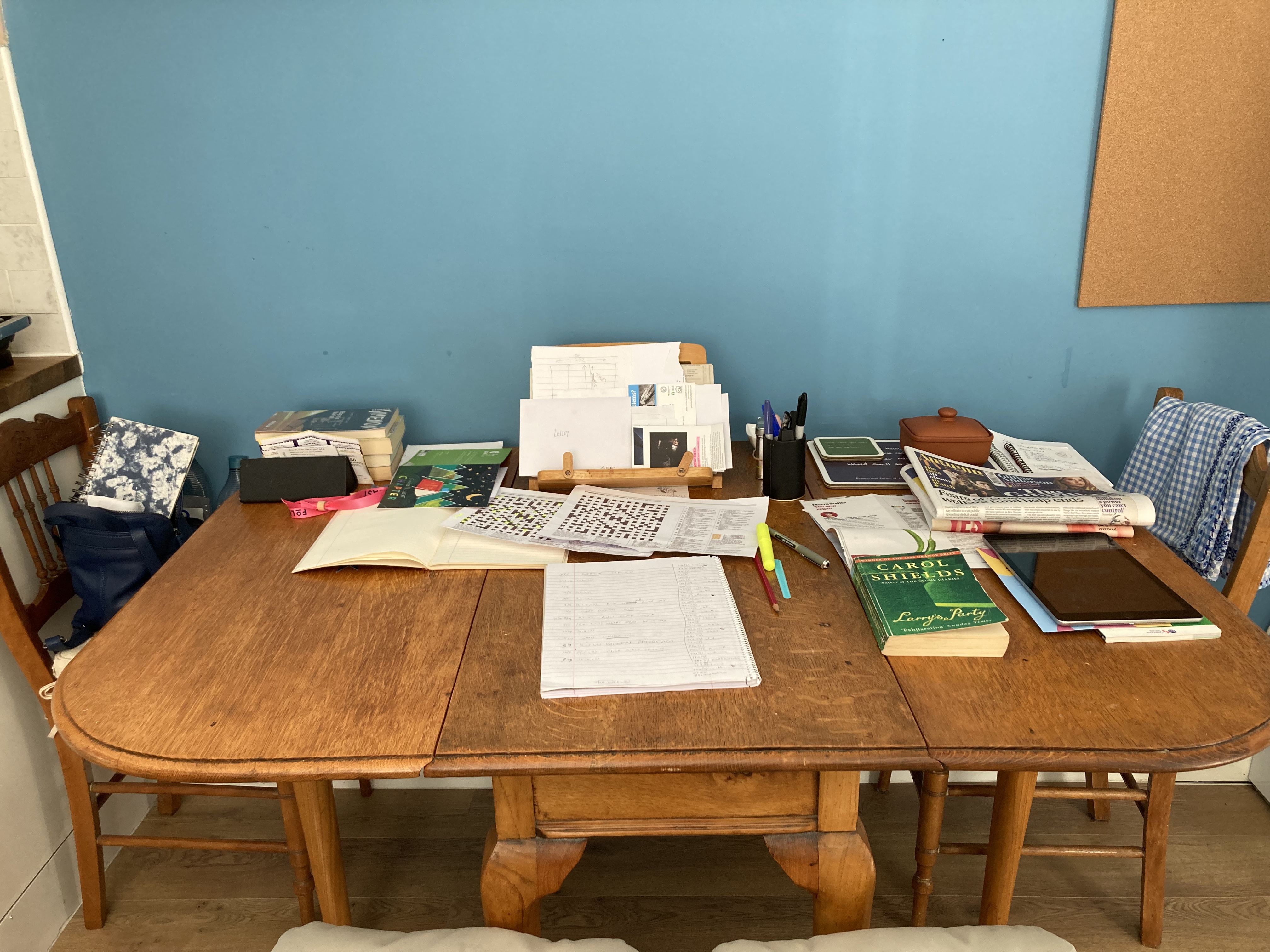
Yesterday, we moved the table. We just turned it round. So we can sit at it more easily side by side, while attempting the crossword. We’ve stacked the clutter a little more neatly and swept the accumulated crumbs from the hinges of the leaves. Otherwise, there it remains.
It’s more than earned its place here. It’s proved itself remarkably adequate, throughout all that has swirled around it during its long life. In a way, it turns out to have been pretty core to mine. Maybe the kitchen is where it belongs.
 lesleyjonesberry
Frankly, they were kitchens where I’d need to be redesigned as well.
Yes! It’s like when I get eat breakfast cereal and get imposter syndrome.