
I have been present at first breaths, and last breaths. Only at those most intimately connected with me: my children’s births and my mother’s death. And since, in female babies, the eggs of their potential children already nestle in their ovaries, these births and death are profoundly shared: others’, yet also my own. Interlinked, interwoven.
Once we start breathing on our own, which we do before the cord is severed (and it is ever really severed, asks every mother?), that’s all we do, one breath after another. Keep going: breathing and sighing and laughing and coughing and panting and sobbing and gasping and… breathing until we stop again. The rest, as Shakespeare says, is silence.
Breathing is such a simple, mechanical part of being alive. The lungs and heart seem to me, with no medical knowledge, merely bellows and pump, to enable the body to do its complex mysterious chemical balancing, processing and sustaining. But they feel very essential: if I hear of someone with a heart problem, I worry, I panic on an atavistic level for their survival, in a way that doesn’t occur to me if I hear of other equally, perhaps more serious conditions.
When we are stressed or panicked, it is breathing that can restore us. In a panic attack, my thoughts and emotions feel uncontained, wild, uncontrollable. Boundaries are broken and my sense of identity is lost. The advice, and it works, is to become aware of my feet on the floor, to look at something fixed and objective (I think trees are popular, I find old church buildings very useful). And focus on breathing. It calms. Centres us again and connects us back through a rhythm and flow, back to an awareness of our physical presence.
To listen to someone breathe we usually have to be close to them. Next to them in bed, in the quiet of the night. To place a hand, and feel the rise and fall of their chest is a tender, intimate act. We are physically close to their heart and almost unconsciously this places them, emotionally, close to ours. Mothers creep across the landing in the middle of the night do this, to check on their babies. As they grow older, we restrain ourselves, we halt at the threshold, and listen intently for the soft susurration which assures us they still exist.
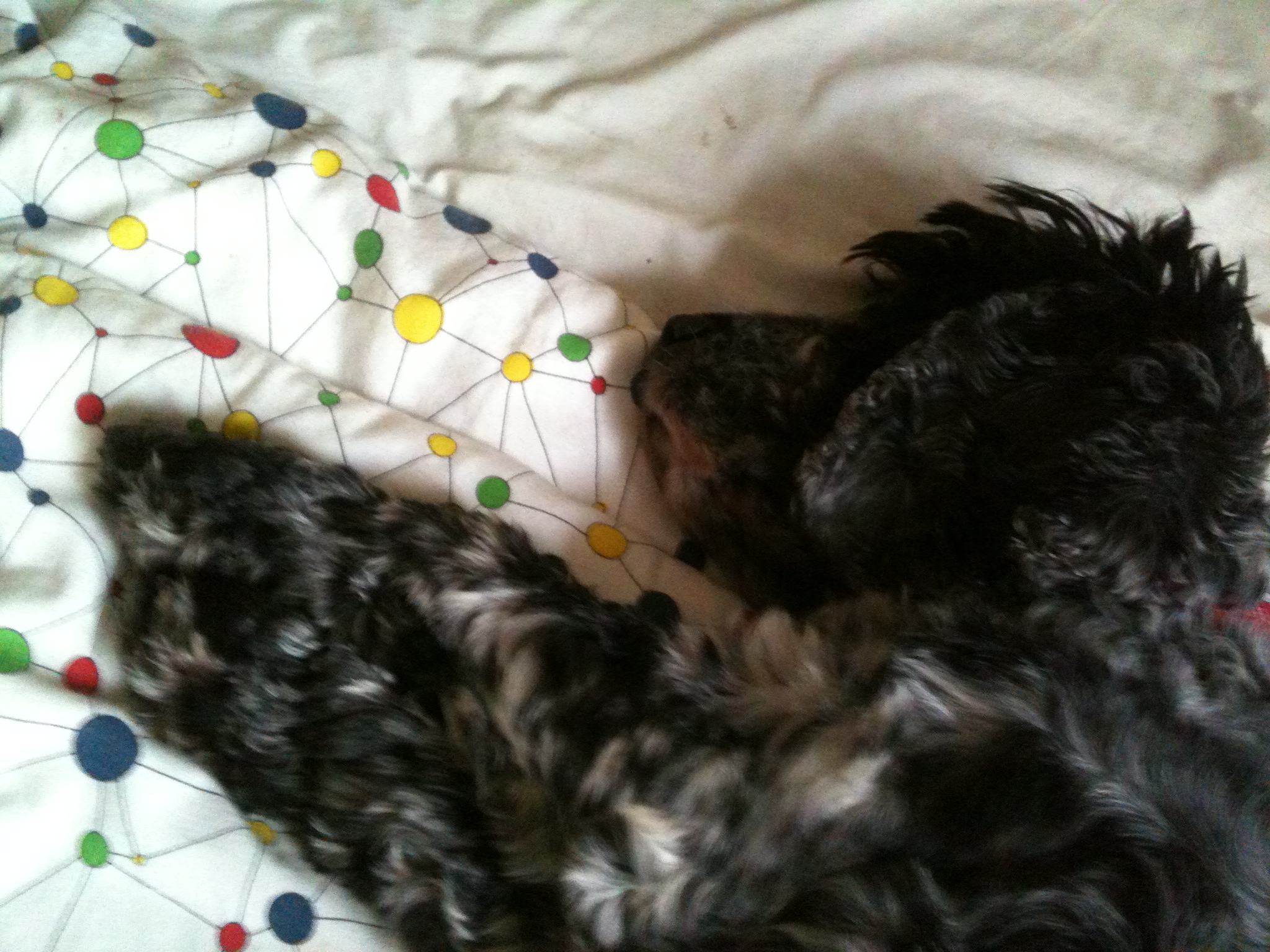
We used to have a spaniel, and despite all the advice, she slept on our bed, and I would place my hand on her small chest and feel, silky soft, the gentle rising and falling of her ribcage. Infinitely dear.
Conversely, dog breath is, of course, another thing entirely. As (forgive me) are dog farts, which have a stealth-like quality combined with remarkable pungency, such that you can track their progress along the sofa as, inch by atmospheric inch, each family member is assaulted and exclaims involuntarily in disgust. If only we could somehow genetically modify the coronavirus to smell like dog farts, we would have absolutely no problem with social distancing.
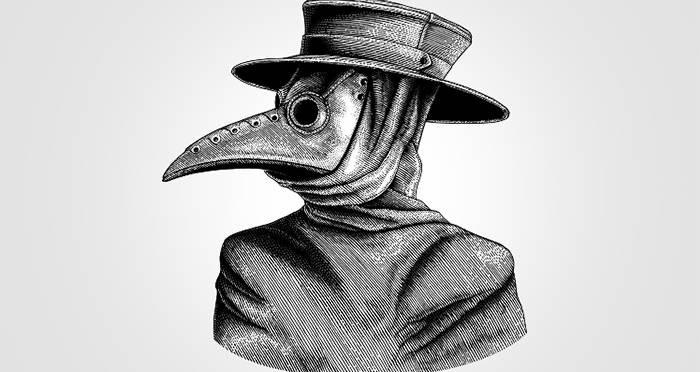
And one of the hardest things about the pandemic has been its forcing us to stay inhumanly, inhumanely apart. We became potentially toxic to one another, trapped in plague prison. Deprived for a while of scientific knowledge, we had to become medieval, using the crudest of measures, wearing the crudest of masks. We were reduced to fear and superstition, aware that even by just keeping ourselves alive we were potentially exhaling death, inhaling death. By breathing out and breathing in. Which is, really, nothing new, but usually we strive to be, and succeed in being unconscious of it. Like the military generals entering ancient Rome in triumph, surrounded by acclaim, we try to ignore the voice in our ear,
“Respice post te. Hominem te esse memento. Memento mori!”
“Look behind. Remember thou art mortal. Remember you must die!”
But this spring morning, I think we can be gentle with ourselves. I would say: Look ahead. Remember thou art mortal. Remember you can live.
This time is yet given to us. Miraculously, the new day dawns, the sun rises, the birds sing; it is all transient but we can experience it, presently, also transcendently. My own chest rises and falls. I keep breathing. It is all that life asks of us.
 lesleyjonesberry