
And the unseen eyebeam crossed, for the roses
Had the look of flowers that are looked at.
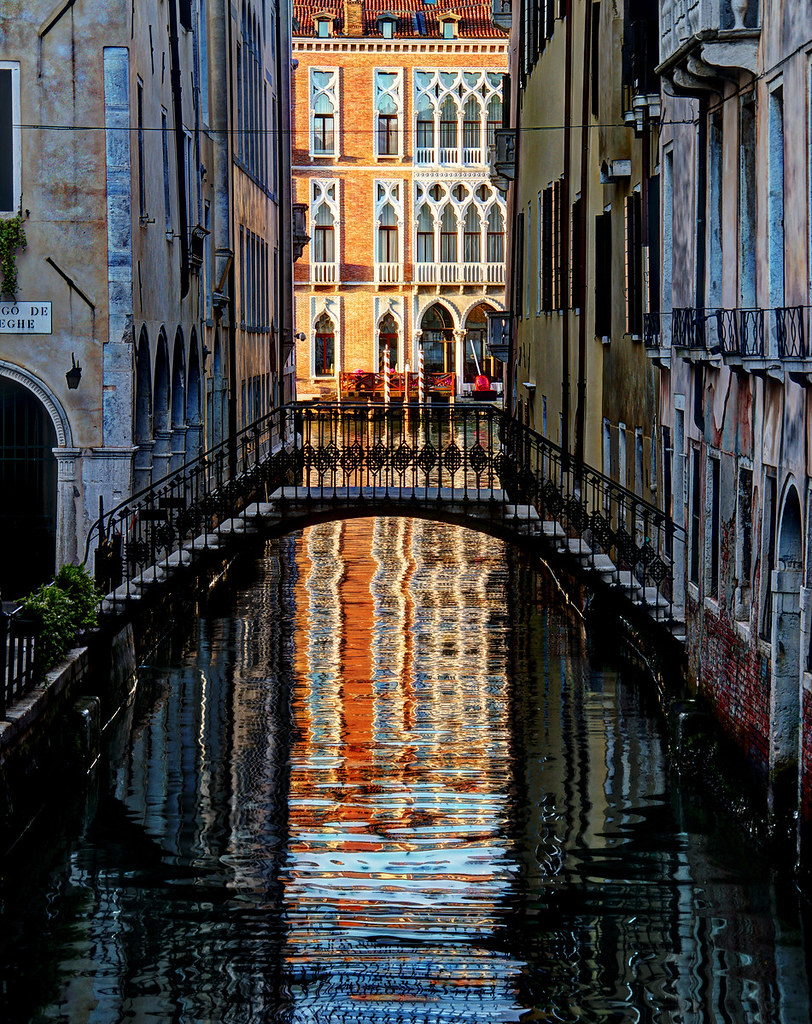
Venice must be exquisitely beautiful at the moment. The resident population is low, so the streets will be so quiet. The hotels must be empty, the daily surge of visitors is halted, the cruise ships are stopped. La Serenissima must be genuinely peaceful, almost deserted.
In museums and galleries across the globe, paintings, sculptures, hangings, tapestries remain unlooked at. I imagine them existing in a profound silence and stillness, but suppose it’s more likely to be the gentle hum of air-conditioning and distant, if scarcer, traffic sounds.
It’s the aesthetic equivalent, I know, of whether a tree falling in a wood makes a sound if no-one hears it, or something like that. Do these things remain beautiful if no-one looks at them? It must be a matter of long-term philosophical debate (I’m just ignorant in this area) as to whether aesthetics are objective or can only be defined in relative terms, whether they depend upon perception. What used to be a thought-experiment is now becoming real. With so many things put on hold, we are all thinking about what we really value, and why. Does it matter that we cannot look at art? Does it matter to the art that it cannot be looked at?
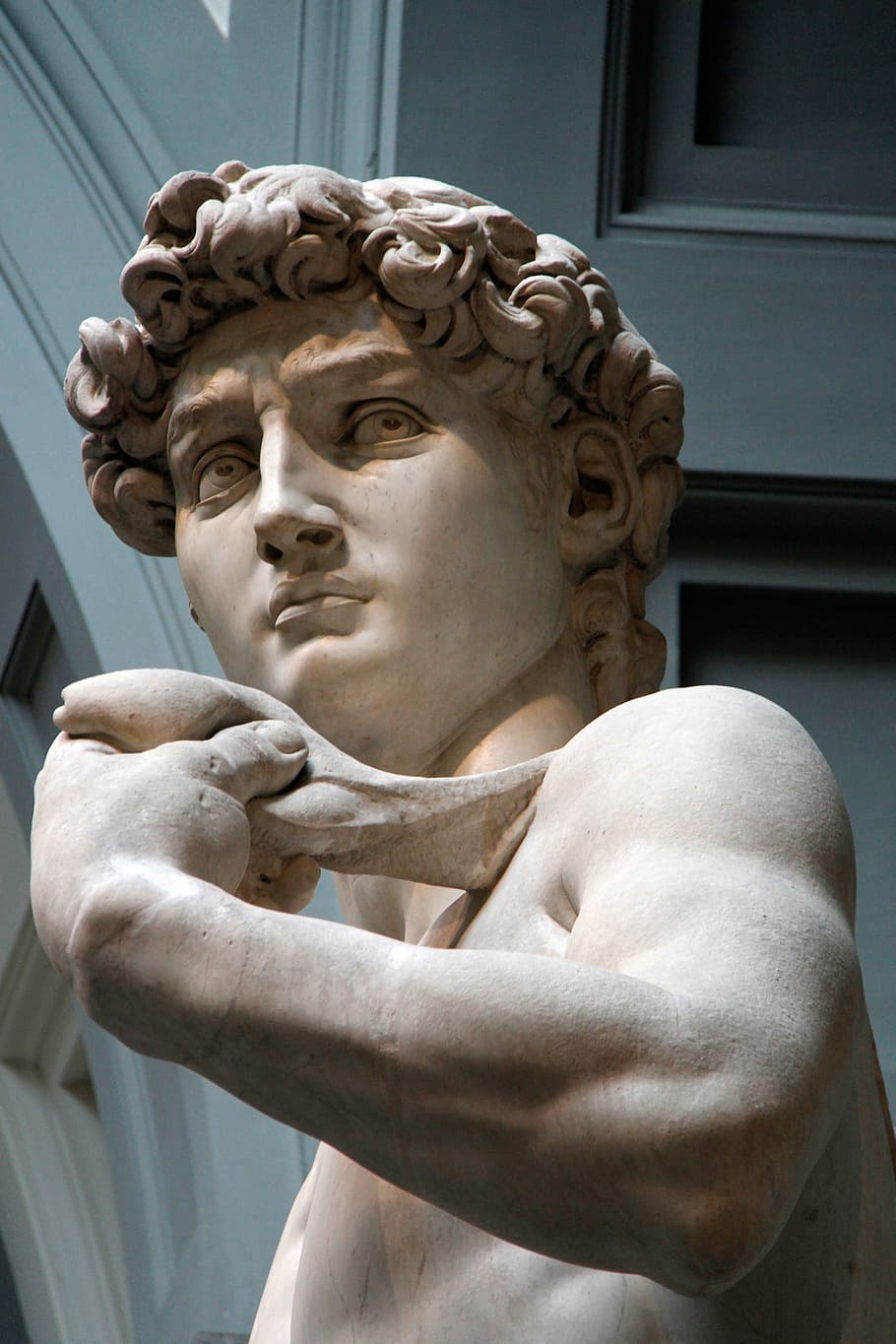 The most beautiful non-living thing* I ever saw is, I think, Michelangelo’s David. An obvious one, I know. I didn’t expect to feel anything – it is so well-known, so familiar. There are copies of it, even just outside in the piazza in Florence, and the souvenirs reduce it to ubiquitous cliché. Nonetheless, I was dumbstruck and moved. I needed time to adjust, absorb, recover, appreciate. To stand, and look, and still stand. So, I imagine David in the Accademia Gallery: after so many years of being gazed upon incessantly by millions and millions of eyes, now, nearly unobserved for days at a time. Is the statue still beautiful if no-one looks at it? I imagine there is the occasional attendant, and cleaner, and maybe a supervisor from time to time. Does each of them take their chance to stand there, to gaze at the beauty which, at that moment, exists only for them?
And does unseen beauty, potential beauty as it were, accrue while it is unlooked at? When the museum doors can be reopened, will it burst upon us with increased intensity? Flooding out across the piazza, searing our eyeballs with exquisite pain?
We shall see.
*thus avoiding the true but trite fact that my children, my dog etc etc were and are still the most beautiful things to me.
 lesleyjonesberry